Exploring the Art of Handbell Music Performance

Updated: Jun 8
Handbell music is a unique and captivating form of musical expression. It combines rhythm, melody, and teamwork in a way that few other instruments can. Whether you are a seasoned musician or a curious beginner, the world of handbell performance offers something special. In this post, we will explore the art of handbell music performance, its history, techniques, and the joy it brings to both performers and audiences.
Handbells have a rich history that dates back to the 17th century. Originally, they were used in church settings to signal the start of services. Over time, they evolved into a musical instrument that is now enjoyed in various settings, from schools to concert halls. The sound of handbells is distinct and enchanting, making them a favorite among many music lovers.
One of the most appealing aspects of handbell music is its accessibility. Anyone can learn to play handbells, regardless of their musical background. This inclusivity makes handbell choirs a popular choice for community groups, schools, and churches.
The Basics of Handbell Music
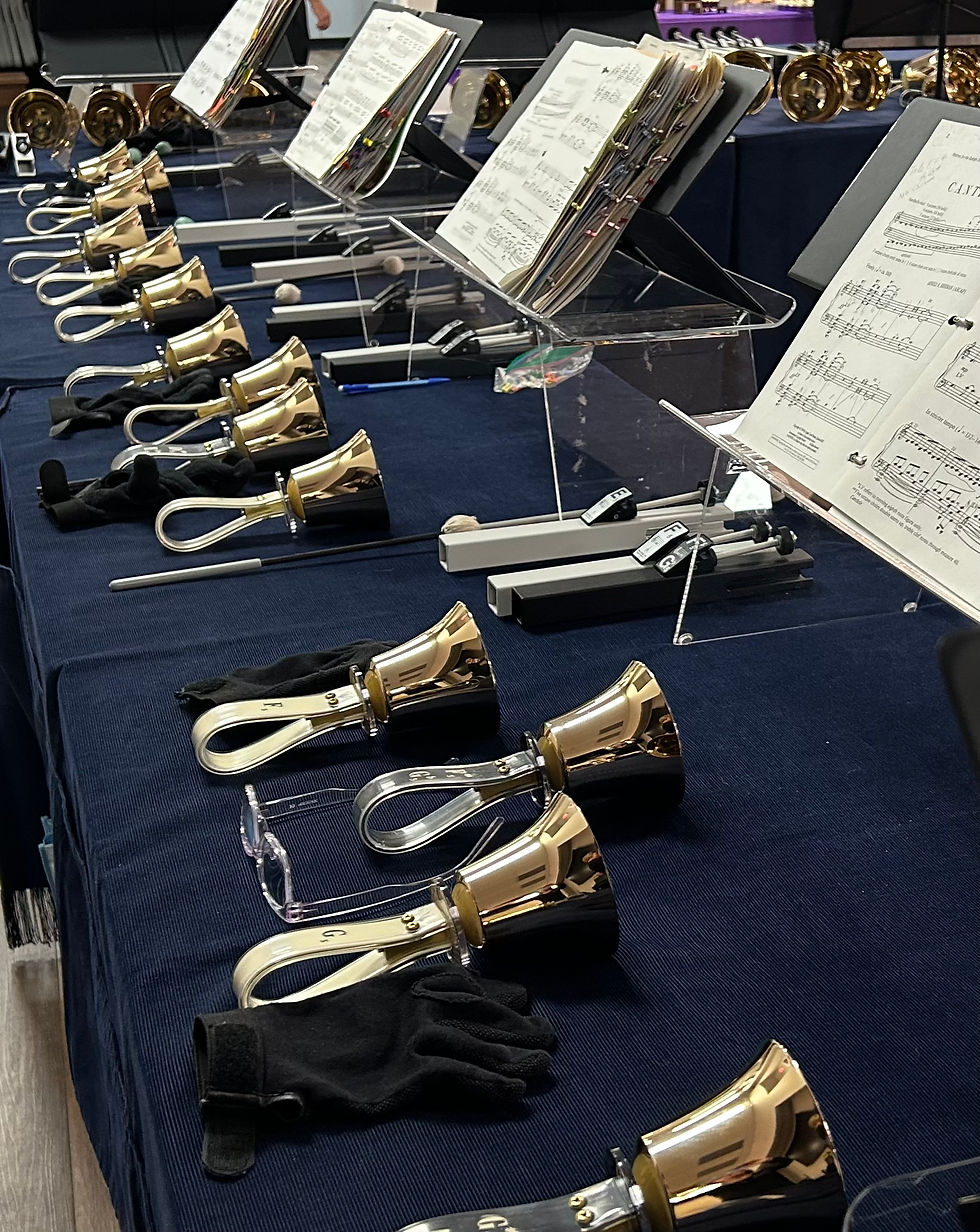
Before diving into performance techniques, it is essential to understand the basics of handbell music. Handbells are typically made of bronze or brass and come in various sizes, each producing a different pitch. The larger the bell, the lower the pitch, while smaller bells produce higher notes.
Types of Handbells
There are two main types of handbells:
Church Handbells: These are often used in religious settings and are designed for choral music. They usually have a more traditional sound.
Concert Handbells: These are used in more diverse musical settings and can produce a wider range of tones. They are often used in performances that include various musical styles.
Handbell Notation
Handbell music is written in a unique notation system. Each bell is assigned a specific note, and the music is arranged in a way that indicates when to ring each bell. This system allows for complex harmonies and rhythms, making handbell music both challenging and rewarding to play.
Techniques for Handbell Performance
Playing handbells requires a combination of musical skill and physical technique. Here are some essential techniques to master for a successful performance.
Proper Ringing Technique
The most fundamental skill in handbell performance is the ringing technique. Here are some tips to ensure you ring your bells correctly:
Hold the Bell Properly: Use your dominant hand to hold the handle, while your other hand supports the bell. This grip allows for better control.
Use Your Wrist: The motion should come from your wrist, not your arm. A quick flick of the wrist will produce a clear sound.
Practice Dynamics: Varying the force with which you ring the bell can create different dynamics. Practice playing softly and loudly to develop this skill.
Timing and Rhythm
Timing is crucial in handbell music. Since handbells are often played in groups, it is essential to stay in sync with your fellow musicians. Here are some tips to improve your timing:
Count Aloud: Counting aloud while practicing can help you stay on beat.
Use a Metronome: Practicing with a metronome can help you develop a strong sense of timing.
Listen to Others: Pay attention to the other musicians in your group. Listening carefully can help you stay in sync.
Teamwork and Communication
Handbell performance is often a group activity. Effective communication and teamwork are vital for a successful performance. Here are some strategies to enhance collaboration:
Establish Eye Contact: Make eye contact with your fellow musicians to signal when to start or stop playing.
Use Cues: Develop a system of hand signals or cues to communicate during performances.
Practice Together: Regular group practice helps build trust and understanding among musicians.
The Joy of Performing
Performing handbell music can be a thrilling experience. The combination of beautiful sounds and the visual appeal of ringing bells creates a captivating performance. Here are some reasons why performing is so rewarding.
Connection with the Audience
One of the most fulfilling aspects of performing is the connection with the audience. The joy of sharing music with others can create a powerful bond. When you see the smiles and hear the applause, it reinforces the love for music.
Personal Growth
Performing can also lead to personal growth. It challenges you to step out of your comfort zone and develop confidence. Each performance is an opportunity to learn and improve.
Community Building
Handbell choirs often foster a sense of community. Working together towards a common goal creates friendships and strengthens bonds. The shared experience of making music can be incredibly rewarding.
Preparing for a Performance
Preparation is key to a successful handbell performance. Here are some steps to ensure you are ready to shine on stage.
Choose the Right Music
Selecting the right music is crucial. Consider the skill level of the group and the preferences of the audience. Here are some popular choices:
Traditional Hymns: These are often well-received in church settings.
Classical Arrangements: These can showcase the beauty of handbells.
Contemporary Pieces: These can appeal to a broader audience and add variety to your repertoire.
Rehearse Thoroughly
Once you have chosen the music, it is time to rehearse. Here are some tips for effective rehearsals:
Break it Down: Practice difficult sections separately before putting the entire piece together.
Record Yourself: Listening to recordings of your rehearsals can help identify areas for improvement.
Schedule Regular Practices: Consistency is key. Regular practice sessions will help solidify your skills.
Dress Rehearsal
Before the actual performance, conduct a dress rehearsal. This allows you to practice in the performance space and get comfortable with the environment.
The Performance Day
On the day of the performance, it is essential to stay calm and focused. Here are some tips to help you prepare mentally and physically.
Warm-Up
Before the performance, take time to warm up. This can include simple exercises to loosen your wrists and fingers. A good warm-up can help prevent injuries and improve your performance.
Stay Positive
Maintain a positive mindset. Remind yourself of the hard work you have put in and the joy of sharing music with others.
Enjoy the Moment
Finally, remember to enjoy the moment. Performing is a celebration of music, and it should be fun. Embrace the experience and let the music flow.
The Future of Handbell Music
As handbell music continues to evolve, new opportunities and challenges arise. Here are some trends shaping the future of handbell performance.
Technology Integration
With advancements in technology, handbell music is becoming more accessible. Online tutorials and virtual choirs allow musicians to connect and learn from anywhere in the world.
Diverse Musical Styles
Handbell music is also expanding into various genres. From pop to jazz, handbells are being incorporated into a wide range of musical styles. This diversity attracts new audiences and keeps the art form fresh.
Community Engagement
Many handbell groups are focusing on community engagement. By performing in local events and collaborating with other musicians, they are bringing handbell music to new audiences.
Embracing the Art of Handbell Music
Handbell music performance is a beautiful blend of skill, teamwork, and joy. Whether you are a performer or an audience member, the experience is enriching. The sound of handbells ringing together creates a sense of harmony that resonates deeply.
As you explore the world of handbell music, remember to embrace the journey. Each performance is an opportunity to connect with others and share the joy of music. So, gather your bells, find your group, and let the music ring out.

The art of handbell music is waiting for you to discover it. Whether you are just starting or have years of experience, there is always something new to learn and enjoy. So, take the plunge and immerse yourself in this enchanting world of sound.

Comments